Brooklyn’s housing stock tells a long story. Limestone rowhouses from the 1920s sit next to postwar brick, then mid‑century co‑ops and 1970s condo conversions. Each wave brought its own electrical practices. If your apartment or brownstone still has aluminum branch‑circuit wiring from the late 1960s or early 1970s, that story involves real risk. Aluminum was used for 15‑ and 20‑amp residential circuits for roughly a decade, and while the metal conducts electricity well, its behavior at terminations makes it troublesome. Fires linked to failed aluminum connections pushed the industry toward mitigation techniques and, when practical, full replacement.
As a Brooklyn electrician with years on ladders in prewar foyers and crawlspaces above Prospect Park kitchens, I’ll share how we evaluate aluminum wiring, which mitigation methods hold up, what New York City inspectors look for, and electrician brooklyn how to plan work in occupied spaces without turning your life upside down. Whether you searched for “electrician near me” after a hot switch plate scare or you are planning a gut renovation and want the electrical piece done right, read this carefully. The stakes are immediate and solvable.
What makes aluminum wiring different
Electric current does not care about sentiment or architectural charm. electrical company Akay electric corporation licensed electrician It cares about physics. The branch‑circuit aluminum used from about 1965 to 1972 behaves differently than copper where it matters most, at terminations. Aluminum expands more than copper when heated under load, then contracts as it cools. That cyclical movement works fasteners loose if they are not designed for aluminum. The metal also forms a surface oxide that is electrically resistive, and it creeps under pressure, meaning it can slowly deform and reduce contact force. Put those together and you get rising resistance at connections, heat buildup, and sometimes arcing. Arcing in a wall cavity is the stuff of 3 a.m. sirens.
People sometimes ask why modern aluminum is still used for big feeders if it is risky. Scale and alloy. Aluminum service conductors and feeders are usually larger gauge, use different alloys, and terminate in lugs rated for aluminum with proper anti‑oxidant compounds and torque. Those terminations are stable. The problem lives in the small‑gauge branch circuits terminating under light switch screws, in old receptacles not rated for aluminum, or twisted inside a wire nut never meant for it.
The telltales you can see and the ones you can’t
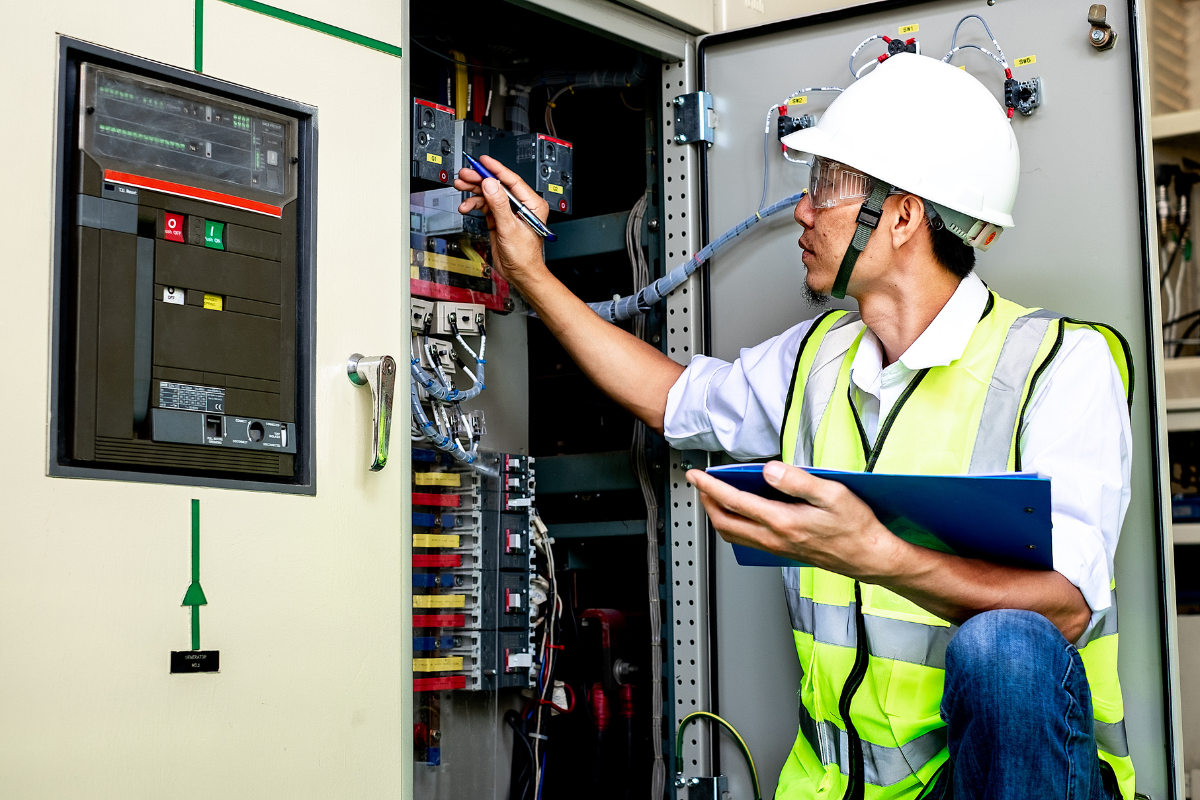
A Brooklyn electrician diagnosing aluminum wiring does not rip walls first. We read the signs. Start at the panel. Aluminum branch circuits are usually labeled AL or have grayish or dull silver conductors with “AA‑8000” or older “AA‑1350” markings. Older AA‑1350 alloy is the troublemaker in many homes. If the panel is a relic with Federal Pacific or Zinsco branding, the conversation broadens to panel replacement, but that is another story.
At devices, the clues are tactile and visual. Receptacles that run warm with only a phone charger plugged in, switches that crackle when toggled, flickers when the fridge kicks on across the room. The cover plate screws might be discolored, and you may see aluminum under old stab‑in connections on the back of a device. If you smell a faint fishy or ozone odor near a device, shut that circuit off and call an electrician. We use instruments too, not just our noses. An infrared camera can show elevated temperatures at terminations under typical load. A torque screwdriver checks whether binding screws are loose despite being tightened previously. A megohmmeter is rarely used in mitigation work on live homes, but it has its place when circuits are isolated for deeper testing.
The tricky part is that aluminum wiring can look fine right up until it doesn’t. I have opened boxes where the device face was cool, but behind it the wire nut was a charred husk. In a Crown Heights brownstone, a client called for intermittent flicker in the dining room chandelier. The problem turned out to be an aluminum splice to a copper fixture whip inside a pancake box, joined with a standard connector that had loosened over time. The connection arced at dinner time when the load changed. Eight inches of conductor were soot black. That family was lucky.
What the code and insurers care about
The National Electrical Code allows aluminum conductors when installed with terminations listed and identified for aluminum. New York City follows its own amendments to the NEC, but the principle holds. Insurers care just as much. Some carriers will decline a policy or restrict coverage if a home has unmitigated aluminum branch circuits. Others will accept a home with documented, listed mitigation methods like COPALUM crimping or AlumiConn connectors. The ad‑hoc cocktail of aluminum to copper with a regular yellow wirenut does not satisfy adjusters, and frankly it does not satisfy me as an electrical company responsible for safety.
Arc‑fault circuit interrupter breakers are another piece of the picture. AFCIs are now common in living areas and bedrooms. They detect arcing signatures and trip. In homes with aluminum wiring and loose terminations, nuisance tripping can increase. Sometimes the nuisance is not a nuisance at all, it is a polite warning that something is wrong. Mitigation often calms the panel down.
Three proven mitigation paths
In a perfect world we replace all aluminum branch circuits with copper. In the real Brooklyn world, walls are covered in horsehair plaster behind original tin, apartments are stacked six tall with shared risers, and a total rewire may not align with a co‑op board’s patience or a family’s budget. When full replacement is not practical in one shot, we prioritize risk reduction. There are three main mitigation approaches that meet code and satisfy most insurers when properly documented.
Pigtailing with listed connectors. Not all pigtails are created equal. The goal is to join the existing aluminum to a short copper pigtail, then land the copper on the new device. This avoids aluminum under device screws prone to loosening and oxidation. The connector must be listed specifically for aluminum‑to‑copper splicing. That means a purple Ideal 65 connector used according to instructions, or better yet, an AlumiConn three‑port lug connector that accepts aluminum and copper, tightened with a torque screwdriver to specification and coated with anti‑oxidant on the aluminum side. I prefer AlumiConn for critical splices like multi‑wire branch circuits or feed‑through receptacles because the mechanical connection is robust and repeatable. The trade‑off is space. They are bulky and sometimes require a deeper box. Purple 65s fit more easily but demand meticulous installation and are less forgiving of imperfect strip length.
COPALUM cold‑weld crimping. This is the gold standard short of full rewiring. The system uses a specific tool operated by a certified technician to crimp a copper pigtail onto the aluminum conductor with a metal sleeve, creating a gas‑tight cold weld. Properly done, it stops oxidation and creep at that point, yielding a connection with failure rates rivalling new copper circuits. The downside in Brooklyn is access. You need a certified COPALUM installer, appointments can take time, and the per‑connection cost adds up when a typical two‑bedroom apartment has 80 to 120 terminations. Also, the tool does not fit well in cramped old boxes. Still, for insurers who know the data, COPALUM earns their stamp.
Targeted rewiring, phased by room or riser. If you are renovating a kitchen or bath, rip and replace those circuits with copper while the walls are open. Kitchens pull high currents and deserve absolute reliability. Next, bedrooms and living areas can be mitigated at devices, then scheduled for rewiring when feasible. In multi‑unit buildings, we sometimes rewire the home runs from the panel to the first outlet in a chain, then pigtail from that copper onward. This trims risk and reduces the number of aluminum‑to‑copper interfaces.
How an evaluation unfolds in a Brooklyn home
No two apartments are alike. Here is how we typically proceed when someone calls our Brooklyn electrician line for an aluminum wiring check. We start with a walkthrough. Panel identification, branch circuit counts, condition of grounding and bonding, and a quick scan of representative devices: a few receptacles per room, key switches, and high‑load outlets like window ACs. If we see back‑stabbed devices, scorched insulation, or stranded aluminum on lighting whips, we take photographs and flag them.
Next comes prioritization. Kitchens, bathrooms, laundry areas, and any dedicated equipment circuits move to the top. Bedrooms follow, especially if there are space heaters or window ACs. We outline options with line items so you can compare cost and disruption.
Documentation matters. Insurers and co‑op boards want more than a receipt. We generate a mitigation map that lists each device, the method used, and the connector model. If we apply AlumiConn, we note torque values and box fill compliance. If we rewire a room, we list cable types, breaker ratings, and device specifications. That report has saved more than one closing.
The work itself, minus the drama
People cringe at the thought of electricians punching holes through plaster ceilings. Mitigation is kinder. The device‑level work happens at the box. We shut off and lock out the circuit, test for voltage, and pull the device clear. Aluminum conductors often have abbreviated slack and brittle insulation near the termination. We trim back to clean metal, strip to the manufacturer’s spec, apply anti‑oxidant to the aluminum when using lug‑type connectors, and torque to spec. We do not guess at torque. A torque screwdriver set correctly is part of an electrician’s kit in aluminum work. Then we install a device rated CO/ALR where appropriate, though with pigtailing the device sees copper. Finally, we label the device yoke or the cover plate interior with a small note identifying the mitigation type and date.
Rewiring is the messier cousin. In a Park Slope brownstone kitchen upgrade last winter, the walls were open anyway. We ran new 12‑gauge copper for small‑appliance circuits, dedicated feeds for the microwave and dishwasher, and GFCI protection with AFCI where code required. In the adjacent dining room, we mitigated at devices to keep the project scope reasonable, then returned three months later when the client tackled that room’s plaster restoration. Phased work reduces chaos, and any experienced electrical company will plan around your life, not the other way around.
Real costs and the payback that is hard to quantify
People want numbers. The honest answer is a range. Device‑level mitigation with AlumiConn connectors in Brooklyn typically lands between 80 and 150 dollars per device depending on access, box depth, and count. Purple 65 connectors run less, though I reserve them for specific conditions where they are proven reliable. COPALUM crimping can exceed 60 to 90 dollars per connection, and each receptacle may require two or three connections. A two‑bedroom apartment might have 90 to 140 connections by the time you include switches, receptacles, and fixtures. A full rewire in a finished two‑bedroom can stretch from the low five figures into the mid‑teens or higher, especially if wall restoration and permits weave in. Your insurer’s premium reduction for documented mitigation is variable, but I have seen annual savings of a few hundred dollars. The real payback is measured in quiet sleep and avoided losses.
Edge cases we see in older buildings
Brooklyn hands you surprises. Mixed metals inside a single junction box are common, where a copper lighting whip meets an aluminum feed. If the splice is hidden under a dome fixture with no room for a lug connector, we sometimes replace the box with a deeper old‑work box or open the ceiling slightly to set a proper junction. Knob and tube in the same home with aluminum is not unheard of when previous owners renovated in phases. That triggers separate discussions around load capacity, insulation contact, and grounding.
Another case: shared neutrals on multi‑wire branch circuits. These circuits were common in mid‑century construction. If the aluminum neutral is shared between two hots on opposing phases, the neutral current cancels when wired correctly with a handle‑tied breaker. If someone moved a breaker over the years and put both hots on the same phase, the neutral carries the sum of the currents and can overheat. We correct those at the panel, and mitigation at the device level must respect the shared neutral layout. Sloppy work here causes nuisance AFCI trips at best and overheated neutrals at worst.
Old metal boxes that are too shallow for modern connectors are routine. The fix is simple but time‑consuming. We replace them with deeper boxes and extension rings, maintaining plaster integrity with careful scoring and patching. We also check box fill calculations. Aluminum conductors count toward fill just like copper, and AlumiConn lugs take space. Skirting box fill is not an option.
Safety gear and techniques that make a difference
Aluminum mitigation is not exotic, but it is unforgiving. A few habits separate durable work from Band‑Aids. We wash oxidation off the conductor back to shiny metal. We never nick the conductor with a poorly set stripper. Anti‑oxidant paste goes only on aluminum strands when the connector manufacturer calls for it. Torque is verified, not assumed. We gently loop copper pigtails to devices so they aren’t under tension. We dress splices so nothing rubs on a sharp edge inside the box. Then we load test. A small space heater and a plug‑in meter can show whether a newly mitigated receptacle runs cool at 12 amps for twenty minutes. If the cover plate stays room temperature and the thermal camera shows even tone, we move on.
How to choose the right Brooklyn electrician for this work
If you are shopping for an electrician near me, look beyond the first search result. Ask whether the company has specific aluminum branch‑circuit experience and what connectors they prefer. A Brooklyn electrician who owns a torque screwdriver and can discuss COPALUM versus AlumiConn without reaching for Google is a good sign. Request sample documentation from prior projects, with personal details redacted. Insurers appreciate it, and it shows the electrical company treats mitigation as a system, not just a pile of parts.
You should also hear a plan for managing dust, debris, and downtime. We use vacuum‑equipped tools, masks when cutting plaster, and sticky mats for dust control. Circuits are scheduled so you are not left without a fridge overnight. On multi‑day projects we leave daily status notes and set temporary power where needed. It is your home, not our workshop.
When full replacement is the right call
Mitigation is excellent at buying time and slashing risk. Sometimes the right answer is to start over. If the insulation on the aluminum is brittle along the entire run, if multiple junctions are inaccessible or buried in walls, if the panel is an obsolete brand with questionable breakers, or if you are already renovating with walls open, do not hesitate. Copper circuits with modern AFCI and GFCI protection, grounded receptacles, rational circuit layout, and spare capacity for the future make life easier. That future includes induction ranges, electric dryers, heat pump water heaters, and Level 2 EV chargers. Brooklyn’s energy code and building upgrades are nudging in that direction. The cost delta between a partial rewire and a complete one narrows when walls are already opened for other trades.
A short homeowner checklist before we arrive
Use this to prepare, and to evaluate any proposal you receive:
- Identify problem areas: warm outlets, flickers, tripping breakers, or scorched smells. Note locations for the electrician. Clear access to the panel and to outlets and switches along baseboards and doorways. Ask contractors which listed connectors they use for aluminum to copper, and how they verify torque. Request a written mitigation map with device counts, connector models, and any rewired circuits. Confirm permit and inspection requirements for your building and whether your insurer needs documentation.
What not to do
A few quick don’ts can save you from worsening the situation. Do not smear random grease on aluminum connections. Only use anti‑oxidant compounds designed for electrical aluminum, and only when specified by the connector. Do not land aluminum under a device screw unless the device is CO/ALR rated and the manufacturer permits it, and even then pigtailing is usually better. Do not twist copper and aluminum together under a standard wirenut. That joint will loosen as the metals expand at different rates, and corrosion will creep in. Do not upsize breakers to stop nuisance trips. Breakers protect wiring, not convenience. If the wiring is aluminum and the breaker nuisance‑trips, find the cause.
Life after mitigation
Once mitigation is complete, your home should feel boring electrically. Lights stop flickering, cover plates stay cool, and the panel behaves. Keep an eye on heavy plug‑in loads like space heaters and window ACs. These are stress tests for any circuit. If a device warms, call us. Mark your calendar to test GFCI and AFCI devices twice a year. If you plan a renovation later, keep your mitigation documentation handy so the next contractor understands the existing conditions.
I often return to homes a year after mitigation to check a few devices with a thermal camera. The readings are unremarkable, which is exactly the point. In a Ditmas Park co‑op, a careful round of AlumiConn pigtails and a few targeted rewires in the kitchen ended the mystery flickers and two AM trips. The coop board kept our documentation on file. The owner’s insurer relaxed, and their premium ticked down modestly. Most importantly, the family went back to thinking about school lunches and weekend soccer, not about what might be smoldering in the wall.
If you are ready to address aluminum wiring, reach out. Whether you need a rapid safety check after a hot outlet episode or a planned mitigation phased over months, a seasoned Brooklyn electrician can guide you through the decisions. Electrical repair is not glamorous, but it is foundational. Done right, it disappears into the background and lets your home get back to living.
Akay electric corporation licensed electrician
Address: 1891 Eastern Pkwy, Brooklyn, NY 11233
Phone: (718) 345-5097
Website: https://akayelectric.com/